Can’t find your question? Call, WhatsApp, or message us — we are happy to talk it through.
Applied Behavior Analysis (ABA) is a research-based approach to teaching communication, social, learning, and daily-living skills, while reducing behaviors that get in the way of learning. Every plan is individualized and tracked with data, so progress can be seen and reviewed.
Earlier support generally helps, and we work with children from around age 2. That said, it is never too late — older children can and do make meaningful progress with the right plan.
No. Our assessments are used to plan therapy. A diagnosis is made by qualified medical or developmental professionals. If you are still seeking one, we can talk you through the next steps.
We listen to your concerns, learn about your child’s history and routines, and observe how they play and communicate. This helps us decide the best starting point and explain the plan and what to expect.
Sessions combine structured teaching at the table with more natural, play-based learning. A therapist works with your child on individualized goals under the guidance of our BCBA, and progress is recorded each session.
Every child progresses at a different pace, depending on their starting point, the hours of therapy, and consistency at home. We track data from the start so you can see change in specific skills, and we review goals regularly rather than making promises about timelines.
It is a temporary increase in a behavior right after we stop reinforcing it — the behavior can get louder before it gets quieter. It is an expected part of the process rather than a sign the plan has failed, and our team will guide you through it.
Very much. Parents are a child’s most important teachers, so alongside therapy we offer parent coaching, regular feedback, and practical strategies so that skills carry over into daily life at home.
Our clinical work is guided by a Board Certified Behavior Analyst (BCBA), certified through the BACB (USA), and therapy is delivered by trained behavior technicians. You can read more about our team in the Our Panel section.
Sessions take place at our centre in Althan, Surat. We also offer online support, for example parent coaching over video call. Please contact us to discuss what suits your child and family.
Call or WhatsApp us on 97127 06862, email radianceabacentre09@gmail.com, or use the contact form below. We aim to respond within one business day.
A simple overview of the journey, from your first call to ongoing support.
Call, WhatsApp, or send us a message. We listen to your concerns and answer your first questions.
We meet your child, learn about their history and strengths, and assess where they are starting from.
Together with you, we set clear, individualized goals and agree how progress will be tracked.
Your child begins sessions with our team, with progress recorded so it can be seen, not guessed.
Goals are reviewed regularly and updated as your child grows, with coaching to help you support skills at home.
Every child is different, so the pace and length of the journey depend on your child's needs. We will always explain the plan and what to expect before we begin.
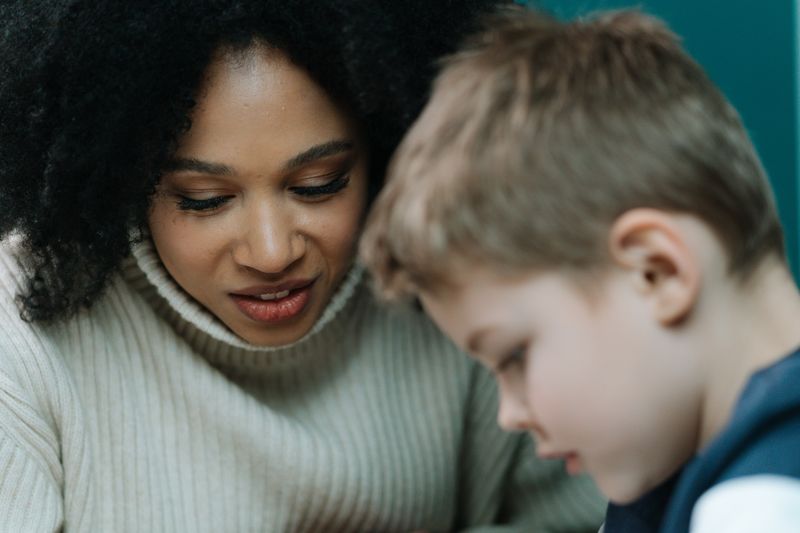
Applied Behavior Analysis (ABA) is a scientifically validated framework that explains how learning occurs. Grounded in decades of empirical research, behavior analysts use these proven principles to cultivate socially significant, positive behaviors while implementing structured strategies to reduce harmful or challenging ones. From mastering complex communication to building vital daily living skills, ABA provides an objective, data-driven standard of care where every milestone is meticulously tracked and measured.
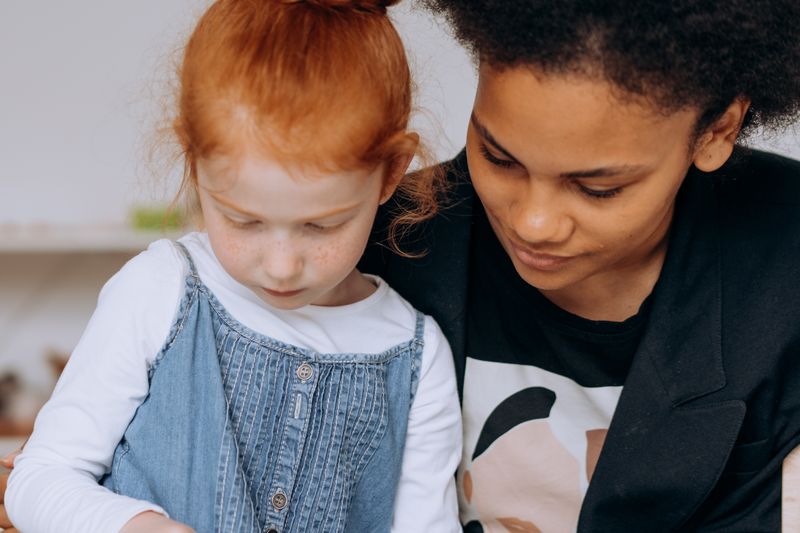
True clinical excellence requires rigorous standards. The Behavior Analyst Certification Board (BACB) establishes high-level requirements for professional behavior analysts, demanding extensive coursework, supervised clinical fieldwork, and rigorous board examinations before independent practice. To maintain these credentials, professionals continuously complete accredited continuing education. This ensures that every intervention delivered meets the highest ethical, scientific, and success standards of the field.
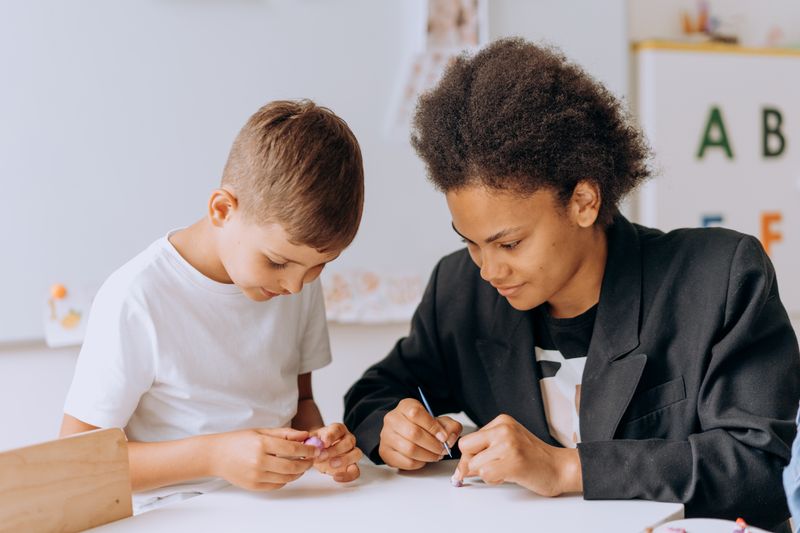
While typically developing children naturally acquire language, play, and social skills from their everyday environment, children with Autism Spectrum Disorder (ASD) and developmental delays often find this incidental learning much more challenging.
ABA bridges this gap. By intentionally designing a motivating yet structured environment, our clinicians optimize conditions so children with autism can unlock their potential and acquire these essential skills naturally.
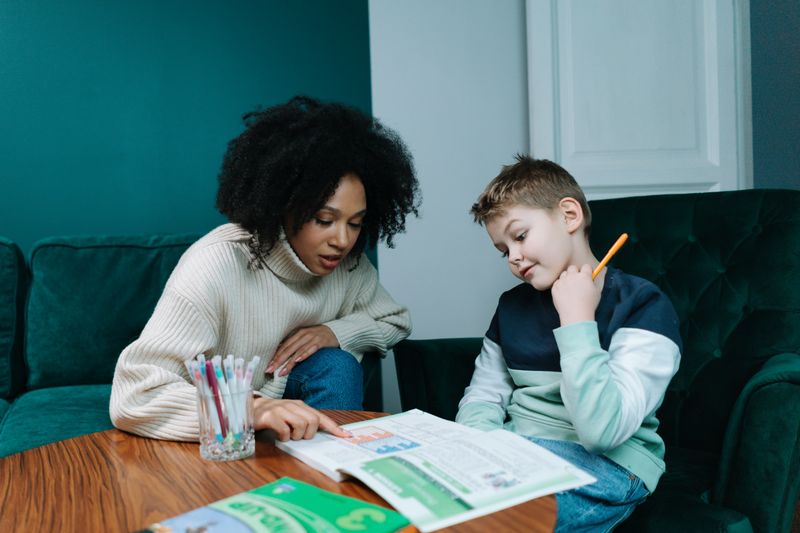
At Radiance ABA Centre, we put the science of learning into compassionate action to maximize every child's growth:
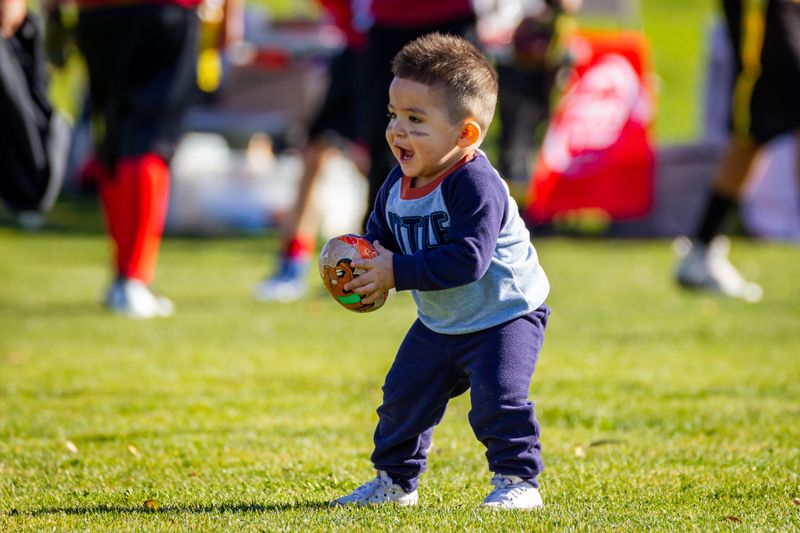
The ultimate mission of our behavioral approach is to empower children with Autism to learn how to learn independently from their natural world. By systematically applying learning theory to improve meaningful behaviors, we help children build the foundation for a lifetime of independence, connection, and success.
Lovaas, 1987; Cooper, Heron, & Heward, 2020; Leaf & McEachin, 1999Simple guidance to help you get the most from therapy. Your child's therapist can tailor each of these to your child.
Book an initial assessment or ask us anything — we respond within one business day.
Get in touch Parent Resources Radiance ABA Centre